
Ever wondered if earwax could be the culprit behind your dizziness? Discover the surprising connections between earwax buildup and balance issues!
Experiencing dizziness is scary and can leave you feeling nauseous and unwell. There are many causes of dizziness, some ear-related, others not. Occasionally, earwax can contribute to dizziness.
By Paul Shaw, MSc, Clinical Scientist (Audiology) and Registered Hearing Aid Dispenser. February 2026
Key Takeaways:
1. There are many causes of dizziness
2. Earwax can contribute to dizziness and can often be treated immediately
3. If you continue to experience dizziness, always seek medical advice
Understanding Ear Wax: What Is It?
Ear wax, scientifically known as cerumen, is a natural substance produced by glands in the ear canal. It is a mixture of secretions from sebaceous and ceruminous glands, combined with dead skin cells and hair. While often dismissed as merely an unwanted byproduct, ear wax plays a crucial role in maintaining ear health by providing a protective barrier against external elements.
This sticky substance serves several essential functions. Firstly, it acts as a lubricant, preventing the ear canal from becoming too dry or itchy. Secondly, ear wax possesses antibacterial and antifungal properties, protecting the ear from infections. Additionally, it traps dust, dirt, and other foreign particles, preventing them from reaching the delicate inner ear structures.
It’s important to note that ear wax production and its consistency can vary among individuals. Some people produce more ear wax than others, and it can range in color from light yellow to dark brown. Despite its bad reputation, ear wax is not inherently harmful and plays a crucial role in maintaining ear health.
The Role of Ear Wax in Ear Health
Ear wax acts as a natural defense mechanism for the ears. Its primary function is to protect the ear canal and eardrum from potential damage caused by external factors. For instance, it prevents dust, debris, and small insects from entering the ear and causing harm. Moreover, the wax’s sticky nature ensures that any foreign particles that do make their way into the ear get trapped and eventually expelled.
Additionally, ear wax helps maintain the optimal pH balance within the ear canal. This acidic environment is inhospitable to many types of bacteria and fungi, reducing the risk of infections. It also prevents water from lingering in the ear canal, which can create a breeding ground for harmful microorganisms. In essence, ear wax acts as a natural cleansing agent, keeping the ear canal clean and free from potential threats.
Another important function of ear wax is to act as a shock absorber, protecting the delicate structures of the inner ear from sudden loud noises. The wax provides a cushioning effect, reducing the impact of sound waves on the eardrum. This is particularly important in environments with high noise levels, such as concerts or construction sites, where excessive noise can potentially damage hearing.
Common Symptoms of Ear Wax Buildup
While ear wax is beneficial, excessive buildup can lead to various symptoms that may affect your daily life. One of the most common signs of ear wax buildup is a feeling of fullness or blockage in the ear. This sensation can be uncomfortable and may even cause mild pain or pressure. In some cases, individuals may experience a ringing or buzzing sound, known as tinnitus, which can be particularly bothersome.
Hearing loss is another prevalent symptom associated with ear wax buildup. When the ear canal becomes clogged with excess wax, sound waves are unable to travel efficiently to the eardrum, resulting in reduced hearing ability. This can range from mild hearing impairment to significant hearing loss, depending on the extent of the blockage.
In addition to auditory symptoms, ear wax buildup can also cause discomfort and irritation. The wax may become hardened and dry, leading to itching or a tickling sensation in the ear. In more severe cases, individuals may experience dizziness or vertigo, which can be alarming and disorienting. These symptoms highlight the importance of maintaining proper ear hygiene and addressing ear wax buildup promptly.
Can Ear Wax Lead to Dizziness?
The connection between ear wax and dizziness may not be immediately obvious, but it is a prevalent issue that affects many individuals. The ear plays a vital role in maintaining balance and equilibrium, and any disruption within the ear can lead to dizziness or vertigo. When ear wax accumulates and blocks the ear canal, it can interfere with the normal functioning of the inner ear, causing balance-related issues.
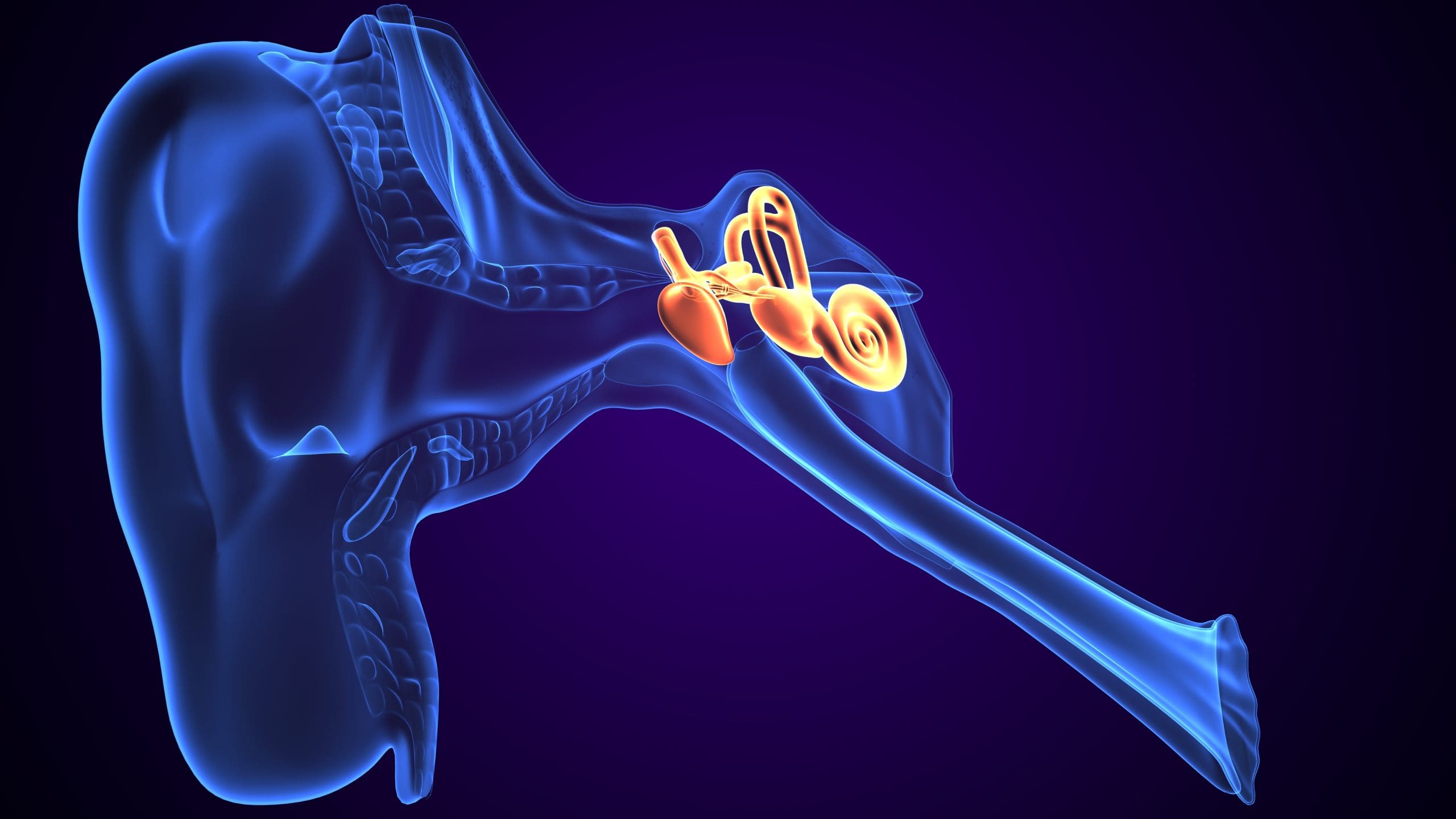
One way ear wax can cause dizziness is by impacting the vestibular system, which is responsible for regulating balance. The vestibular system consists of structures within the inner ear, including the semicircular canals and the vestibule. These structures contain fluid and sensory cells that detect changes in head position and movement. When ear wax buildup disrupts the normal flow of this fluid, it can send inaccurate signals to the brain, resulting in dizziness or vertigo.
Furthermore, ear wax can also contribute to dizziness by causing inflammation or infection in the ear canal. When wax accumulates and becomes impacted, it can create an environment conducive to bacterial or fungal growth. Infections in the ear canal can lead to swelling and irritation, affecting the delicate balance mechanisms within the inner ear. This can result in dizziness, along with other symptoms such as pain, discharge, and hearing loss.
The Connection Between Ear Wax and Balance
Understanding the connection between ear wax and balance requires a closer look at the inner ear’s anatomy and its role in maintaining equilibrium. The inner ear contains the vestibular system, which is responsible for detecting changes in head position and movement. This system consists of the semicircular canals, which detect rotational movements, and the otolith organs, which detect linear movements and gravity.
When ear wax accumulates and blocks the ear canal, it can disrupt the normal functioning of the vestibular system. The wax can interfere with the movement of fluid within the semicircular canals, leading to inaccurate signals being sent to the brain. This can result in a sense of dizziness or vertigo, as the brain struggles to interpret the conflicting information it receives from the inner ear.
In addition to affecting the vestibular system, ear wax buildup can also impact the eustachian tube, which connects the middle ear to the back of the throat. The eustachian tube helps regulate pressure within the middle ear, ensuring that it remains equal to the external air pressure. When ear wax blocks the ear canal, it can prevent the eustachian tube from functioning properly, leading to a feeling of fullness or pressure in the ear. This can further contribute to balance issues and dizziness.
Diagnosing Ear Wax-Related Issues
Diagnosing ear wax-related issues typically involves a thorough examination by a healthcare professional. During the examination, the doctor will use an otoscope, a specialized instrument with a light and magnifying lens, to inspect the ear canal and eardrum. This allows the doctor to determine if there is an excessive buildup of ear wax and assess its impact on the ear’s structures.
In some cases, the doctor may perform additional tests to evaluate the extent of the symptoms and rule out other potential causes of dizziness or hearing loss. These tests may include audiometry, which measures hearing ability, and vestibular testing, which assesses balance and inner ear function. By conducting these tests, the doctor can determine if the symptoms are indeed related to ear wax buildup or if there are other underlying conditions that need to be addressed.
It’s important to note that self-diagnosis of ear wax-related issues is not recommended, as it can be challenging to accurately assess the extent of the buildup and its impact on the ear. Seeking professional medical advice ensures that the correct diagnosis is made and appropriate treatment is provided. If you experience symptoms such as dizziness, hearing loss, or ear discomfort, it is essential to consult a healthcare professional for a proper evaluation.
How to Safely Remove Ear Wax
Removing ear wax safely is crucial to avoid causing damage to the ear canal or eardrum. There are several methods available for safely removing ear wax, ranging from home remedies to professional treatments. It’s important to choose the method that is most suitable for your situation and to follow proper procedures to prevent complications.
One common method for removing ear wax at home is the use of over-the-counter ear drops. These drops typically contain ingredients such as carbamide peroxide or hydrogen peroxide, which help soften the wax and make it easier to remove. To use ear drops, tilt your head to one side and place the recommended number of drops into the affected ear. Allow the drops to sit for a few minutes, then tilt your head in the opposite direction to let the softened wax drain out.
Another home remedy for ear wax removal is the use of warm water irrigation. This method involves using a bulb syringe or an ear irrigation kit to gently flush the ear canal with warm water. To perform this procedure, fill the syringe with warm water and carefully insert the tip into the ear canal. Gently squeeze the bulb to release the water, allowing it to flow into the ear and dislodge the wax. Be sure to use lukewarm water, as water that is too hot or too cold can cause discomfort or dizziness.
I would always advise seeing a professional for earwax removal. A healthcare professional can perform ear wax removal using specialized tools and techniques, such as microsuction or ear irrigation. These methods are safe and effective, and they ensure that the ear canal is thoroughly cleaned without causing damage to the ear structures.
Preventative Measures for Ear Wax Buildup
Preventing ear wax buildup is essential for maintaining ear health and avoiding the discomfort and potential complications associated with excessive wax. There are several preventative measures you can take to minimize the risk of ear wax accumulation and ensure your ears stay clean and healthy.
One of the most important preventative measures is to avoid inserting objects into your ears. This includes cotton swabs, hairpins, and other foreign objects. Inserting objects into the ear canal can push the wax deeper, leading to impaction and potential damage to the ear structures. Instead, use a damp cloth to gently clean the outer part of your ear, avoiding the ear canal.
Another effective preventative measure is to keep your ears dry. Moisture in the ear canal can create an environment conducive to ear wax buildup and infections. After swimming or bathing, use a towel to dry your ears thoroughly. If you are prone to ear wax buildup, consider using earplugs or a swim cap to keep water out of your ears while swimming.
Regular ear check-ups with a healthcare professional can also help prevent ear wax buildup. During these check-ups, the doctor can examine your ears and remove any excess wax if necessary. This proactive approach ensures that any potential issues are addressed before they become problematic and helps maintain optimal ear health.
Conclusion: Key Takeaways on Ear Wax and Dizziness
In conclusion, ear wax plays a vital role in maintaining ear health by acting as a protective barrier against external elements and preventing infections. However, excessive ear wax buildup can lead to various symptoms, including dizziness, hearing loss, and discomfort. The connection between ear wax and dizziness lies in the impact that wax can have on the vestibular system and the inner ear’s balance mechanisms.
Diagnosing ear wax-related issues requires a thorough examination by a healthcare professional, and self-diagnosis is not recommended. There are several methods available for safely removing ear wax, ranging from home remedies to professional treatments. It is important to choose the method that is most suitable for your situation and to seek professional help if necessary.
Preventative measures such as avoiding the insertion of objects into the ear, keeping the ears dry, and regular ear check-ups can help minimize the risk of ear wax buildup. By taking these precautions, you can ensure that your ears remain healthy and free from the discomfort and complications associated with excessive ear wax.
Understanding the surprising connection between ear wax and dizziness highlights the importance of proper ear hygiene and addressing ear wax buildup promptly. By maintaining good ear health, you can prevent dizziness and enjoy optimal hearing and balance. If you experience symptoms of ear wax buildup, consult a healthcare professional for proper evaluation and treatment.
